#406 (M6) BITTERNUT HICKORY
Carya cordiformis
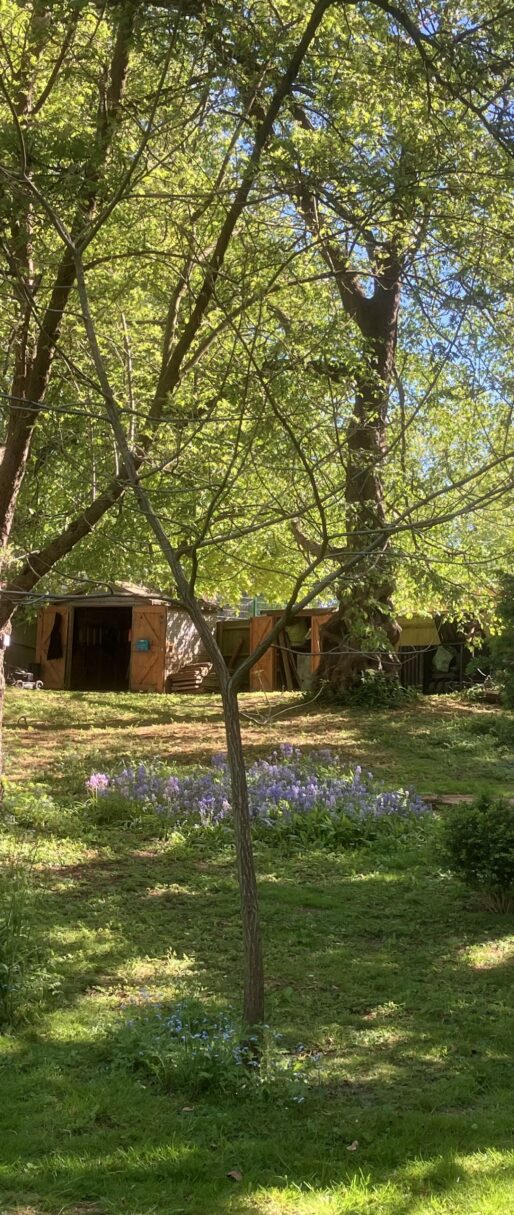
Planted: 2007
This specimen is to be found on the east side of the Syringa Walk.
| Distribution: | Native to the eastern United States and adjacent Canada. |
| Purchased from: | Bluebell Arboretum & Nursery, Smisby, Ashby de la Zouch, Leicestershire. |
| Growth Habit: | A large deciduous tree growing up to 35 m tall (exceptionally to 47 m), with a trunk up to 1 m diameter. Another identifying characteristic is its bright sulphur-yellow winter bud. |
| Bark: | |
| Leaf: | The leaves are 15 to 30 cm long, pinnate, with 7 to 11 leaflets, each leaflet 7 to 13 cm long. |
| Flowers: | The flowers are small wind-pollinated catkins, produced in Spring. |
| Fruit: | The fruit is a very bitter nut, 2 to 3 cm long. It has a green four-valved cover which splits off at maturity in the Autumn, and a hard, bony shell. |
| Uses: | The wood is use for furniture and smoking meat. Seeds are eaten by rabbits and other wildlife. |
| Plant Hunter: | First described in 1787 as Juglans cordiformis by Friedrich Adam Julius von Wangenheim and transferred to the genus Carya in 1869 by Karl Koch. Closely related to the Pecan, Carya illinoinensis, with a similar leaf shape, but does not have edible nuts. |
| Alternative Names: | Also called Bitternut, Yellowbud Hickory, or Swamp Hickory. |
| Anecdotes and Comments: | Used by indigenous Americans for making bows. |